A running collection of things I’ve found interesting, well-made, or worth spreading—mostly from art, design, tech, photography, and film, with the occasional thought or two of my own.
This has, by now, circulated wide and far in design-related interwebs. Nonetheless, nice observations and thoughts on the intangible in interaction design from Rauno Freiberg.
~
From Robin Dunbar of Dunbar's number fame, comes a chart showing the number of people one can have a meaningful relationship with at various levels of intimacy. This is obviously not an introvert's chart, ha-ha, ha…
“The layers come about primarily because the time we have for social interaction is not infinite. You have to decide how to invest that time, bearing in mind that the strength of relationships is directly correlated with how much time and effort we give them.”
Some novel music apps from developer Marcos Tanaka – MusicHarbor for finding out about new releases by artists in your Apple Music library and MusicBox, which is best described as “read-it-later, but for music”.
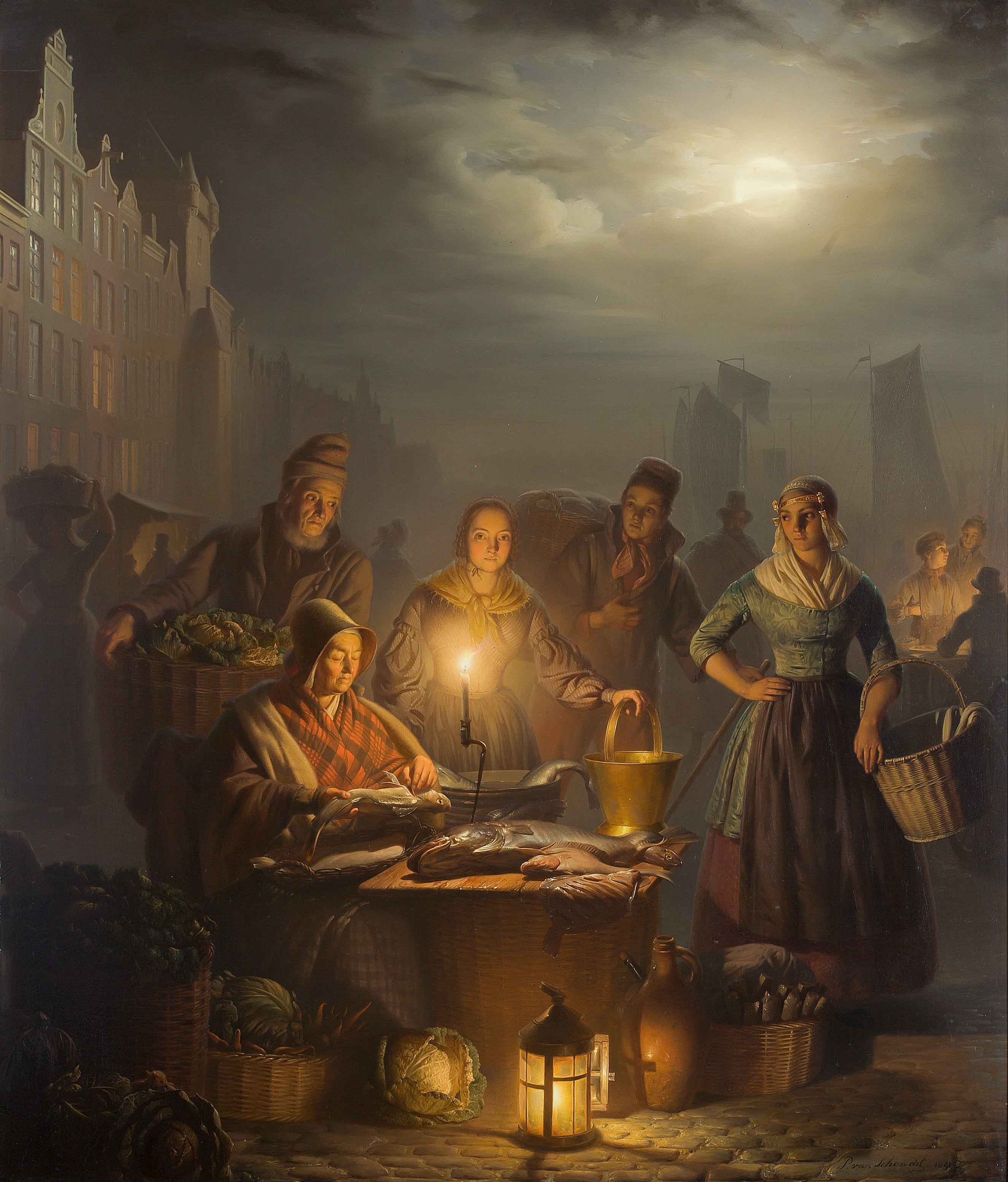
"Fish Market in Moonlight" (1841) by Petrus van Schendel, or "Monsieur Chandelle", a Dutch-Belgian master who specialised in painting nighttime (market) scenes lit by candles and the moon.
"Because no matter how good Figma is, it's an intermediary abstraction, like Photoshop before it. If you're working with the web, you'll work faster without such an abstraction layer in the design process filtering the collaboration between programmer and designer.
...
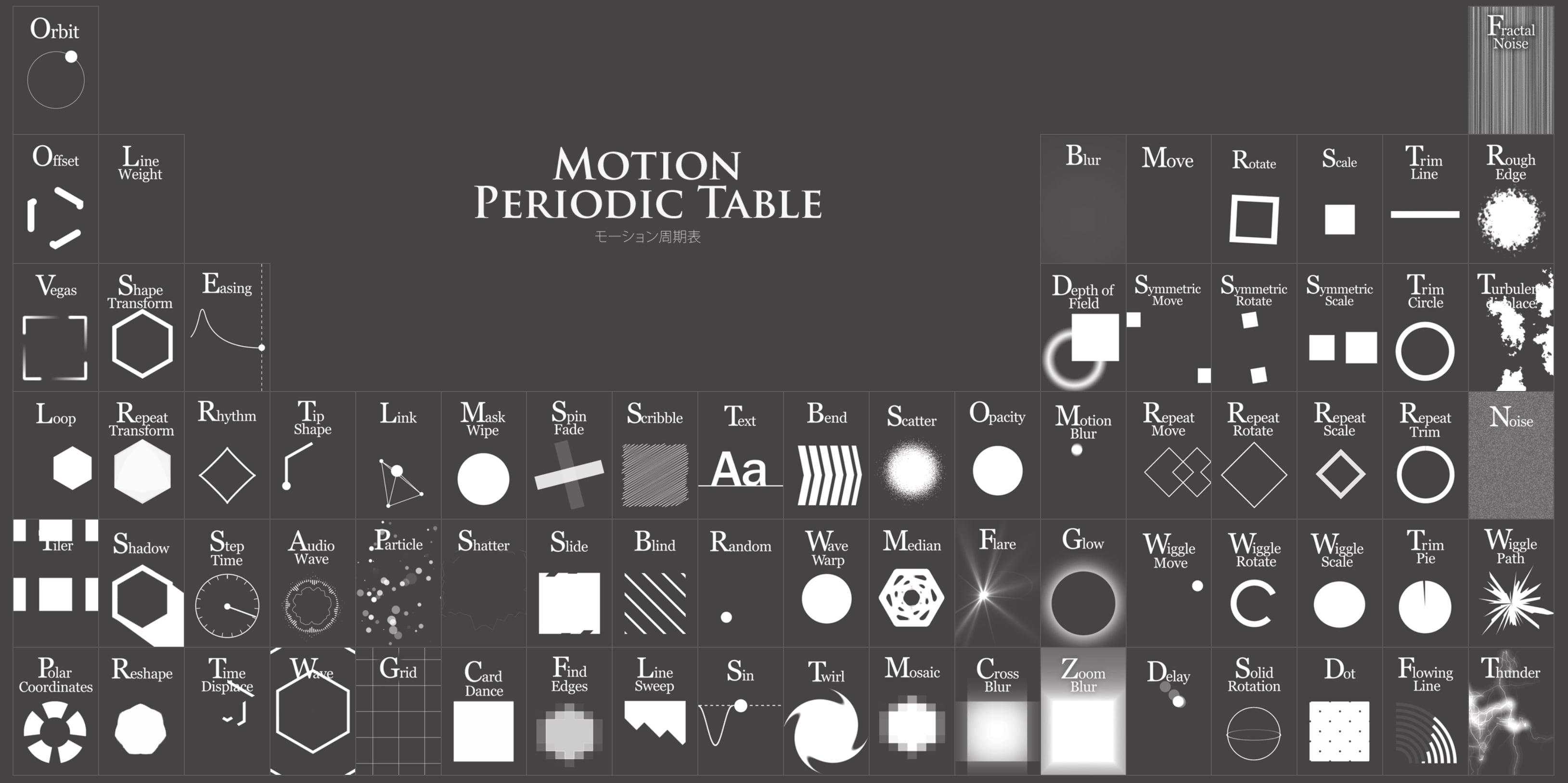
Leave Figma to the early conceptual stages of web design. Or put it to good use for native mobile development, when you rarely have a choice. But embrace doing the bulk of the design for the web directly in the core elements of its periodic table."
The old "should designers code?/designers should code" yadda yadda yadda.
I mostly agree, that we keep replacing Photoshop with faster, more convenient tools for us to make pictures of websites. End of the day though, they’re still pictures of websites and apps.
When you're working on an app with a mostly locked set of components and styles (a design system), working directly in code can be totally OK, and will shorten the time it takes to ship the change. Add to that the (waste of) time spent on keeping your pictures of the app synchronised with the app itself and working directly in code makes even more sense. Exploring wildly different layouts and design ideas is still faster with visual tools.
"And thus, throwing humility to the wind, I’d like to propose Masnick’s Impossibility Theorem, as a sort of play on Arrow’s Impossibility Theorem. Content moderation at scale is impossible to do well. More specifically, it will always end up frustrating very large segments of the population and will always fail to accurately represent the “proper” level of moderation of anyone."
"You, me, and UI", is a nice article series on various topics to do with user interfaces from The Verge.
~
What's in a day if you mash the activities of all 8 billion people on Earth into one?
Among other things:
Time spent growing and collecting food varied strongly with wealth, from over 1 hour in low-income countries to less than 5 minutes in high-income countries.
via Om Malik
Craig Mod's experience in Venice very much matches my own:
As I lifted her substantial luggage, careful to do so only with my legs, not my back, she intoned in German-accented English: Thank you, this broken foot of mine vould not keep me avay, nothing vould keep me avay from my dear Venice.
Her deranged veneration seemed omnipresent and fundamental to the city. I felt surrounded by cult worshipers. But they all vanished when I ippon ura’d (“one street backed” as we call it in my Japan pop-up newsletters) the sinking town. It seemed as if very few were here to explore.